People living with epilepsy — an umbrella term for multiple chronic neurological brain disorders that affect approximately 50 million people across the globe — experience seizures that can be uncomfortable, frightening, and disruptive. The condition was also associated with many damaging, mistaken beliefs until as recently as the mid-20th century.
Because physicians didn’t understand the condition in ages past, many believed epileptic seizures were the result of demonic possession, for example.
More recently, modernized – but still incorrect – assumptions caused people living with epilepsy to be discriminated against. This limited their ability to enjoy proper healthcare, gain secure employment, and even have children, since forced sterilizations are also part of epilepsy’s painful history.
Fortunately, we understand much more about epilepsy today, including how to treat it. At Houston Neurological Institute, our knowledgeable and caring provider team is committed to customizing treatment for every one of our patients living with epilepsy — because they understand that everyone’s symptoms and condition are unique.
What is epilepsy?
As we noted, epilepsy is a condition that occurs because of brainwave abnormalities.
A person can develop epilepsy at any time in life, and it can be linked to both brain structure and function problems, as well as other factors:
- Brain wiring abnormalities
- Neurotransmitter disparities
- Brain cell changes
- Genetics
- Fetal injuries like lack of oxygen or a mother’s poor nutrition
- Infections, like meningitis
- Traumatic head injury
Though there are many different types of seizures that can impact people living with epilepsy, they’re divided into two broad types, defined by the location in the brain where the seizure originates and how the brain activity that’s responsible for the seizures starts.
Generalized seizures have an effect on your brain as a whole, while focal seizures impact just one portion of the brain.
There’s a wide range of seizure symptoms that people with epilepsy experience, and they’re related to whether they have generalized or focal seizures. However, it’s also possible to experience both types of seizures. Symptoms include:
- A period of staring
- Feeling disoriented
- Uncontrollable jerking of the extremities
- Muscle stiffening
- Fear, agitation
- Sensory changes, such as issues with vision, smell, and taste
- Repetitive nodding or blinking
- Dizziness
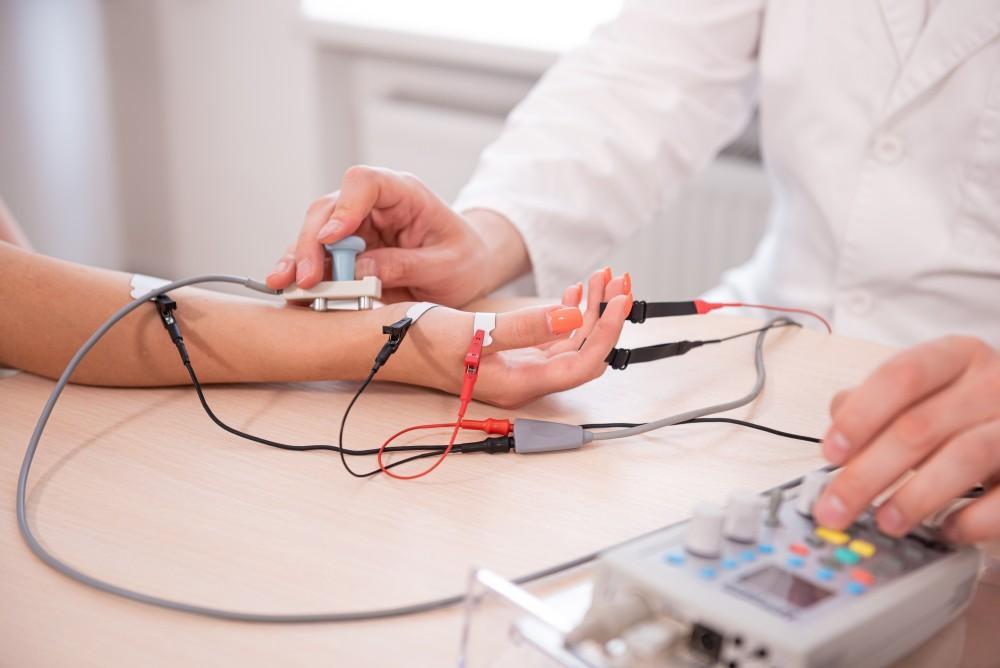
When you see your Houston Neurological Institute provider because of seizure symptoms, they recommend a test called an electroencephalogram (EEG), which records unusual brain activity and can be administered either in one of our offices or while you’re at home.
If you’re diagnosed with epilepsy, the EEG helps your provider pinpoint which type of epilepsy is affecting you and what types of seizures you’re experiencing. Armed with that knowledge, they can create an individualized treatment plan.
Vagus nerve stimulation: An innovative and effective epilepsy treatment
Houston Neurological Institute is proud to offer vagus nerve stimulation treatment (VNS) (via an implanted device) for epilepsy, which, not unlike a pacemaker for your heart, assists with adjusting and normalizing brainwave activity.
Our team is specially trained in managing the programming and software connected to the VNS device, offering an even more finely tuned treatment for each individual.
Your Houston Neurological Institute provider places the small VNS device under your skin in your chest, and a wire that’s also threaded under your skin connects the VNS device to your left vagus nerve, which delivers signals to your brainstem.
Though you also have a right vagus nerve, the VNS device is most frequently attached to the left because connecting it to the right one has been linked to heart issues.
VNS treatment is often combined with epilepsy medications as a successful approach for managing epilepsy.
If you’re experiencing epilepsy symptoms or you’ve received a diagnosis but are searching for treatment, please schedule a consultation with us by calling our Pearland or Pasadena office. You may also use our convenient online tool to book with us.